Lewotobi Laki-Laki Eruption: Is Bali Safe For Travelers?
Bali, the "Island of the Gods," consistently ranks as one of the world's most beloved holiday destinations. Its lush landscapes, vibrant culture, and stunning beaches draw millions of visitors annually. However, Indonesia, an archipelago of some 17,500 islands, sits squarely on the Pacific Ring of Fire, making it home to around 130 active volcanoes. While these geological wonders contribute to the country's dramatic beauty, they also present potential concerns for travelers.
Recently, the eruption of Mount Lewotobi Laki-Laki on Flores Island has sparked questions and anxieties among those planning a trip. The central question on many minds is:
Is it safe to travel to Bali right now? This comprehensive guide aims to provide clarity, separate fact from fiction, and offer actionable advice for travelers considering or currently on a Bali vacation.
Understanding the Lewotobi Laki-Laki Eruption: What Happened?
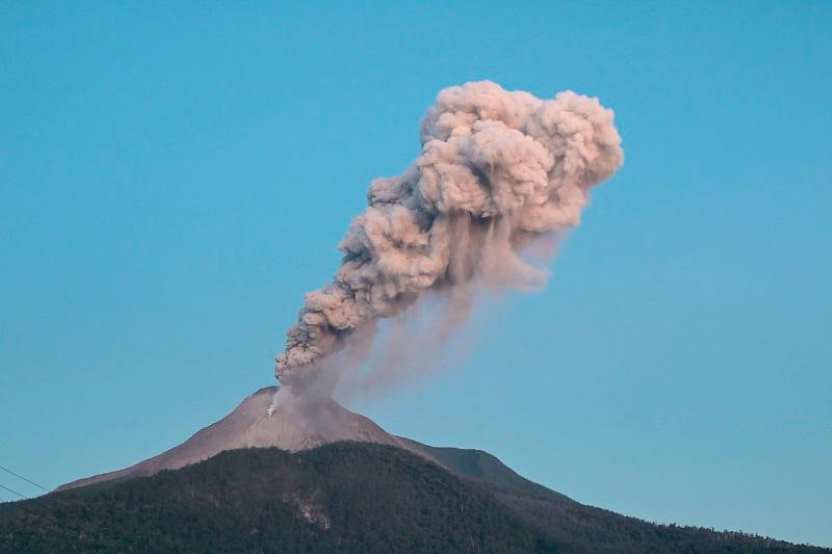
On November 3rd, Mount Lewotobi Laki-Laki, a volcano situated on the eastern Indonesian island of Flores, began a series of significant eruptions. Since this initial event, the volcano has been periodically spewing ash plumes, with some reaching extraordinary heights – on one occasion, ash billowed approximately nine kilometers into the atmosphere in 17 distinct bursts.
It's crucial to understand the immediate impact of this event. In the areas closest to Mount Lewotobi Laki-Laki on Flores, the consequences have been severe. Hot ash and volcanic debris have led to tragic fatalities and necessitated the evacuation of thousands of residents, with around 15,000 people displaced since the eruption began. Reports from officials returning to affected zones describe large craters and widespread destruction, including a school.
Distinguishing Flores from Bali
A critical point of confusion for many travelers is the geographical distance between the erupting volcano and Bali. Flores Island, where Mount Lewotobi Laki-Laki is located, is part of Indonesia's East Nusa Tenggara province. Bali, a world-famous tourist hub, lies hundreds of kilometers to the west. While both are part of the vast Indonesian archipelago, they are distinct islands, and a volcanic eruption on one does not automatically translate to direct danger or even significant indirect impact on the other, especially when considering the significant distance involved.
Is It Safe To Travel To Bali Right Now? Separating Fact from Fiction
Given the significant distance, the straightforward answer is that
Bali itself is generally safe from the direct hazards of Mount Lewotobi Laki-Laki's eruption. Unlike the immediate vicinity on Flores, Bali is not experiencing falling ash, lava flows, or the seismic activity directly associated with the eruption. Official travel advisories, such as those issued by foreign offices, typically reflect this distinction. For instance, the FCDO (Foreign, Commonwealth & Development Office) advises against all travel within 7km of the crater of Mount Lewotobi Laki-Laki on Flores Island – this is a specific exclusion zone for the immediate danger area, not for Bali.
The real concern for travelers heading to Bali primarily revolves around
indirect impacts, most notably on air travel. Volcanic ash, even hundreds of kilometers away, can pose a severe threat to aircraft engines, leading to flight disruptions and cancellations.
We've seen similar scenarios in the past, such as with Mount Agung's activity years ago. During those times, social media often became a battleground between those downplaying the situation and fear-mongering narratives. It's essential to filter through this noise and rely on official sources and airline communications. While Bali's tourism did take a hit during past events, it wasn't due to the island being unsafe for visitors, but rather logistical challenges and public perception.
Navigating Air Travel: Flights to and from Bali
Despite the geographical distance, volcanic ash from Lewotobi Laki-Laki has indeed caused disruptions at Bali International Airport (Denpasar, also known as Ngurah Rai Airport). In the days following the initial eruption, there were reports of thousands of passengers being stranded. On November 13th, nearly a dozen airlines grounded flights to and from Denpasar, leading to the cancellation of 26 domestic and 64 overseas flights from various origins including Singapore, Hong Kong, Qatar, India, and Malaysia. Two Korean Air flights, for example, were forced to turn around mid-air due to the ash clouds. Flights to and from Lombok, an island closer to Flores than Bali, were also cancelled.
However, the situation can be highly fluid. Shortly after the initial major disruptions, airlines such as Qantas, Jetstar, and Virgin Australia were able to resume some services from Bali to Australia, citing 'improved conditions.' This highlights how quickly conditions can change, depending on wind patterns, ash plume density, and volcanic activity levels.
Practical Advice for Travelers
If you have a trip booked to Bali soon, or are currently there, here's what you need to do regarding flights:
*
Check Directly with Your Airline: This is the most crucial step. Do not rely solely on news reports or general airport updates. Go to your airline's official website or app for the latest information specific to your flight.
*
Monitor Airport Advisories: Check the official website for Bali's Ngurah Rai International Airport (DPS) for general operational status.
*
Stay Informed: Keep an eye on reputable news sources and official meteorological reports regarding ash plume forecasts.
* For a deeper dive into flight specific details, you may find
Bali Travel Alert: Flights, Safety & Volcano Impact Explained helpful.
Potential Impact on Your Bali Trip: Beyond Flights
While flight disruptions are the primary indirect concern, it's worth considering other potential effects on your Bali experience.
Tourism Trends and Local Impact
Drawing lessons from previous volcanic events (like Mount Agung), a slowdown in tourism can occur even if Bali itself is not in direct danger. During such times, December, usually Bali's busiest month with hotels and tours at 90% capacity, saw occupancy rates plummet to less than 10%.
What does this mean for you?
*
Quieter Attractions: If tourist numbers dip, popular sites might be less crowded, offering a more serene experience.
*
Accommodation and Tour Deals: While some establishments might try to capitalize on stranded tourists, many will likely drop their rates to attract bookings. Research and compare prices carefully.
*
Support Local Businesses: If you choose to travel, remember that local businesses are often the most affected by tourism fluctuations. Your patronage can make a significant difference.
Health and Environmental Considerations
While Bali is far from the direct ash fall zone, very fine ash particles *could* potentially travel long distances, depending on wind patterns. This is generally not enough to pose a direct health threat for most people in Bali, but it's a good idea to:
*
Carry Masks: Having P2 or N95 masks handy can be useful if you have respiratory sensitivities or if the air quality briefly deteriorates due to ash.
*
Stay Hydrated: Always a good tip for Bali, regardless!
Key Considerations for a Safe and Enjoyable Bali Trip
If you're still planning to visit Bali, or are already there, here are some actionable tips to ensure a smooth and safe journey:
1.
Comprehensive Travel Insurance: This is non-negotiable. Ensure your policy covers volcanic activity and associated travel disruptions, including flight cancellations and extended stays. Read the fine print carefully.
2.
Flexible Bookings: Whenever possible, opt for flights and accommodations that offer flexibility for changes or cancellations.
3.
Stay Connected: Have reliable internet access and ensure your phone is charged to receive alerts and communicate with your airline or travel agent.
4.
Monitor Official Sources: Regularly check advisories from your country's foreign office, the Indonesian government, and reputable meteorological agencies.
5.
Pack Essentials: Always have a small bag with essentials in case of unexpected delays or overnight stays at the airport.
6.
Respect Local Guidelines: Should any local advisories be issued for Bali (which is unlikely for direct volcanic danger from Lewotobi Laki-Laki but could relate to air quality), always adhere to them.
For more detailed information and ongoing updates, refer to resources like
Is Bali Safe Now? Volcano Eruption & Latest Travel Advice.
Conclusion
In summary, while the eruption of Mount Lewotobi Laki-Laki on Flores Island is a serious event with devastating local consequences, Bali itself remains geographically safe from its direct impact. The primary concern for travelers to Bali during such times is the potential for air travel disruptions caused by volcanic ash plumes.
By staying informed through official channels, maintaining open communication with your airline, and ensuring you have adequate travel insurance and flexible arrangements, you can make an informed decision about your trip. Bali continues to be a vibrant and welcoming destination, and with careful planning and awareness, a safe and enjoyable experience is very much possible.